Thanks!
If you liked this, we would love for you to share it with more people.



In retail, competitive advantages have a short shelf life. A product can go viral overnight, shopping behaviors can shift within days, and new sales channels can quickly become customer expectations. As change accelerates, retailers face a growing challenge: ensuring their technology can evolve just as quickly without disrupting operations or slowing innovation.
Cloud computing has become the foundation for that agility. While it's often associated with lower infrastructure costs or improved customer experiences, its greatest value lies in giving businesses the flexibility to respond to change without rebuilding their technology every time the market shifts.
Cloud computing allows retailers to access computing resources over the internet on a pay-as-you-go basis, eliminating the need to purchase and maintain expensive on-premises hardware. For example, during Black Friday, an online retailer might need 10 times more computing power than usual. With the cloud, they can temporarily scale up and then scale back afterward instead of buying servers that sit idle most of the year.
Today, cloud computing powers many of the technologies retailers rely on daily, including:
• E-commerce platforms
• Point-of-sale (POS) systems
• Customer relationship management (CRM) software
• Inventory management systems
• Supply chain management platforms
• Business intelligence and analytics tools
• Artificial intelligence and machine learning applications
By centralizing data and applications in the cloud, retailers can more easily scale operations, roll out new technologies, and support new customer experiences without being limited by existing infrastructure.
From improving customer engagement to strengthening supply chain resilience, cloud-based technologies provide retailers with the agility needed to remain competitive in an increasingly digital marketplace.
Let's take a closer look at the key ways cloud computing is transforming the retail industry.
Customer experience has become one of the biggest competitive differentiators in retail. Modern consumers expect retailers to understand their preferences, recommend relevant products, and provide personalized interactions regardless of whether they shop online or in-store.

Cloud computing gives retailers a more complete picture of each customer by bringing together data from online stores, mobile apps, loyalty programs, purchase history, and even in-store interactions. When that information is paired with AI and machine learning, retailers can understand shopping behavior as it happens rather than relying on outdated customer segments.
As retailers expand across ecommerce, marketplaces, mobile apps, and physical stores, fragmented systems can create inconsistent inventory, conflicting promotions, and disconnected customer experiences.
Cloud computing solves this challenge by centralizing data and enabling real-time synchronization between retail applications through APIs and cloud-based services. Rather than operating independently, e-commerce platforms, point-of-sale systems, warehouse management software, and customer databases continuously exchange inventory updates, pricing changes, order status, and customer information as transactions occur. Every touchpoint, whether online or in-store, has access to the same up-to-date data, reducing operational inconsistencies and supporting capabilities such as Buy Online, Pick Up In Store (BOPIS), ship-from-store, and unified returns.
Inventory management remains one of retail's most complex operational challenges, especially as retailers manage stock across multiple stores, warehouses, and distribution centers.
Cloud computing gives retailers continuous visibility into inventory across stores, warehouses, and distribution centers, allowing stock movements to be tracked as they happen so teams can replenish inventory sooner, move products where they're needed most, and respond more quickly when demand changes.
Because the data is continuously updated, cloud platforms can also generate more accurate demand forecasts. By analyzing historical sales, customer purchasing patterns, seasonal trends, and external market conditions, retailers gain a clearer understanding of future demand and can make inventory decisions with greater confidence.
Cloud computing also enables retailers to connect suppliers, manufacturers, logistics providers, and distribution centers through centralized platforms that improve collaboration and information sharing.
With cloud-enabled supply chain management, retailers can:
Greater visibility across the supply chain allows retailers to improve operational resilience while minimizing disruptions that could negatively impact customers and business performance.
Holiday shopping events, major promotions, and unexpected spikes in demand can significantly increase website traffic, transactions, and order volumes within a short period of time.
Rather than relying on fixed resources, cloud platforms allow retailers to scale computing resources up or down based on demand. The ability to scale resources as needed ensures retailers have the capacity they need during peak periods without paying for unused infrastructure year-round. As a result, they can maintain reliable website performance, process higher transaction volumes, and support digital services as demand fluctuates. More importantly, businesses can adapt to changing customer behavior without technology slowing them down.
Cloud computing changes the way retailers use data by creating a continuously updated view of the business. Instead of analyzing information from isolated systems after the fact, retailers can combine data from transactions, ecommerce platforms, loyalty programs, inventory systems, and supply chain operations to understand what is happening across the business in near real time.
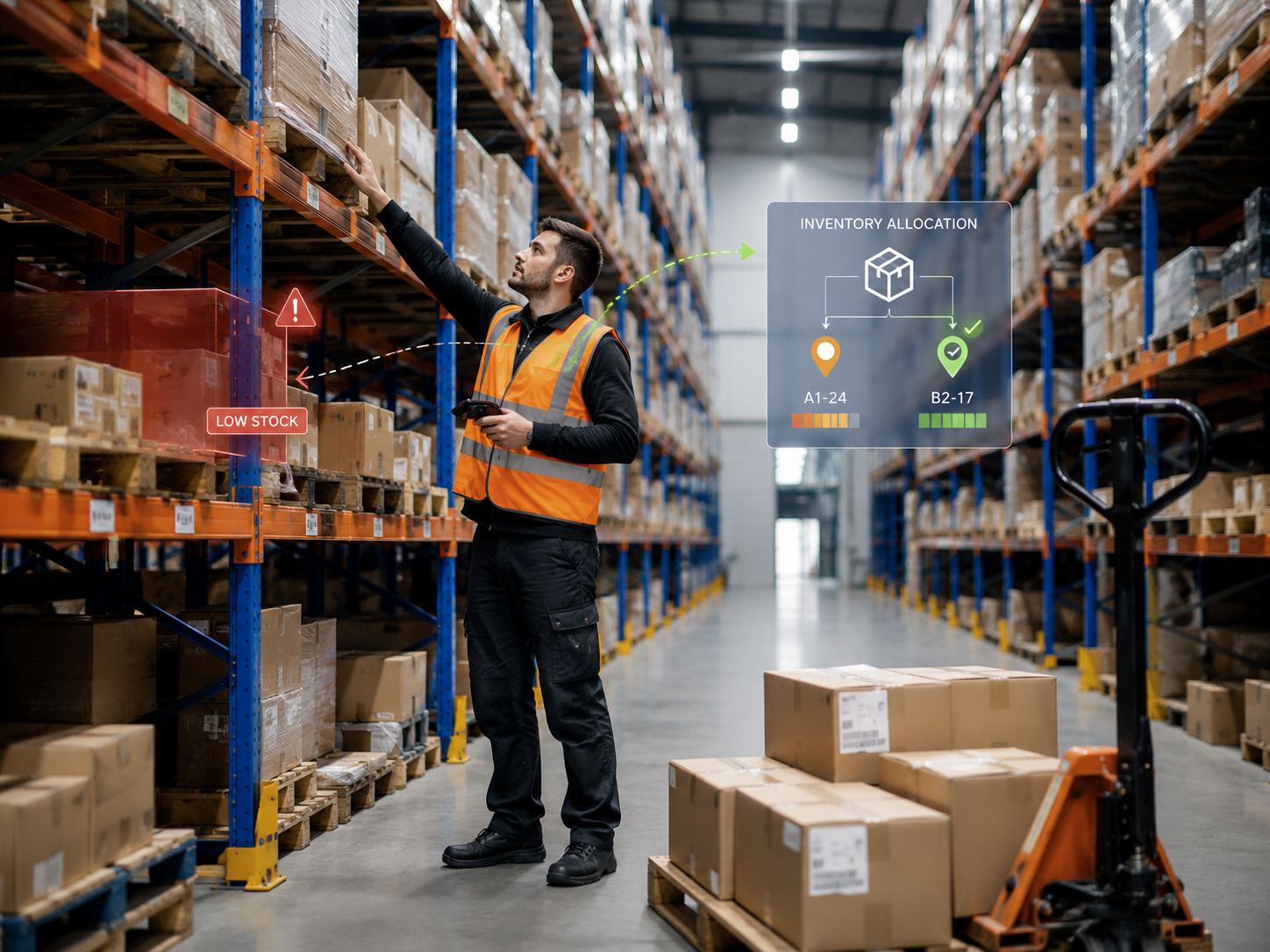
For example, a retailer can identify that demand for a product is increasing in a specific location, adjust inventory allocation before stock runs out, or detect that a promotion is attracting traffic but failing to convert purchases. AI-powered analytics can further uncover patterns across millions of customer interactions, helping retailers optimize pricing, personalize experiences, and predict demand with greater accuracy.
Retailers handle a constant flow of sensitive information, from customer details and payment transactions to inventory and operational data. As more retail processes move online, protecting this information and keeping systems available during disruptions have become critical business priorities.
Cloud computing helps retailers strengthen security by providing built-in protections that are often difficult and costly to develop in-house. Modern cloud platforms use measures such as data encryption and continuous threat monitoring to help protect sensitive customer, payment, and operational data from unauthorized access and cyber threats.
Cloud computing is reshaping retail operations, but adoption does not happen in the same way across every market. While the technology offers clear advantages in scalability, data management, and operational efficiency, retailers must also consider the regulatory, technical, and organizational factors that influence how cloud solutions are implemented.
Germany is a good example of this complexity. Despite strong digital capabilities and a highly developed retail sector, many German businesses have taken a more cautious approach to cloud adoption. Concerns around data sovereignty, established legacy systems, and limited cloud expertise continue to shape how retailers evaluate and implement cloud technologies.
For software providers and technology partners working with German retailers, understanding these challenges is just as important as understanding the benefits of cloud computing.
Successful cloud adoption requires more than migrating systems to the cloud. It requires addressing compliance expectations, integrating with existing infrastructure, and building solutions that align with the realities of the German market.
Germany has one of Europe’s strongest data protection cultures. Retailers handle large amounts of sensitive information, including customer profiles, payment data, purchase histories, and loyalty program details. As more of these systems move to the cloud, businesses want confidence that their data remains protected and properly managed.
Beyond standard GDPR requirements, many German organizations also look for cloud providers that meet additional security standards, such as the Cloud Computing Compliance Criteria Catalogue (C5) established by Germany’s Federal Office for Information Security (BSI).
C5 is widely recognized as a benchmark for cloud security in Germany, particularly among organizations handling sensitive or regulated data. As a result, many businesses carefully evaluate whether cloud providers can demonstrate compliance with these requirements before migrating critical workloads.
Such expectations create additional complexity during cloud implementation. Retail businesses process vast amounts of sensitive customer information, including payment details, purchase histories, loyalty program data, and personal information. Migrating these systems to the cloud requires careful planning to ensure compliance with both GDPR and Germany’s security expectations.
Another challenge stems from concerns over data sovereignty. Some German organizations remain hesitant to host sensitive business information with foreign hyperscale cloud providers such as Amazon Web Services (AWS), Microsoft Azure, and Google Cloud. Questions around where data is stored, who can access it, and how it is governed continue to influence purchasing decisions. As a result, software providers often need to offer deployment options that address these concerns while maintaining the flexibility and scalability of cloud-based solutions.
Many German retailers have already recognized the value of cloud technology. The harder question is: how do you modernize without disrupting the systems that already keep the business running?
Many companies, particularly those within Germany’s Mittelstand, still rely on established ERP platforms, inventory systems, accounting software, and point-of-sale solutions that have been customized over decades.
The challenge is that modern cloud solutions need to work alongside these existing technologies. A retailer may want real-time inventory visibility, connected ecommerce channels, or advanced analytics, but those capabilities often depend on integrating with older systems that were not built to exchange data easily.
That is why cloud migration in Germany is rarely a simple "move everything to the cloud" project. The focus is often on creating a bridge between existing infrastructure and new digital capabilities. For technology providers, this means finding practical ways to integrate, modernize, and improve operations without forcing retailers to abandon systems that still play an important role in their business.
Although cloud adoption continues to accelerate across Germany, the country faces an ongoing shortage of experienced cloud professionals. Demand for cloud architects, DevOps engineers, cybersecurity specialists, and cloud migration consultants has grown rapidly, outpacing the available talent pool.
For many German retailers, finding that expertise is becoming increasingly difficult. The challenge becomes even more complex for retailers with large and interconnected systems. Migrating inventory platforms, supply chain tools, customer databases, and legacy point-of-sale systems requires more than general IT knowledge. It requires experience in connecting existing infrastructure with new cloud environments while keeping daily operations running.
As a result, many organizations need to look beyond internal hiring and work with experienced technology partners who can provide the specialized skills required for successful cloud adoption.
Cloud computing has become the foundation for many of the innovations transforming retail today.
As adoption continues to grow, retailers will have even more opportunities to improve how they operate, serve customers, and compete. Looking ahead, several technologies are expected to play a bigger role in retail, including:
As these technologies mature, cloud computing will remain the digital backbone that enables retailers to innovate quickly, respond to changing consumer expectations, and build more resilient business operations.
For many German retailers, cloud adoption is more nuanced than simply moving everything to the public cloud. Concerns around data privacy, compliance, and control over sensitive information have made many businesses more cautious about where their systems and data should run.
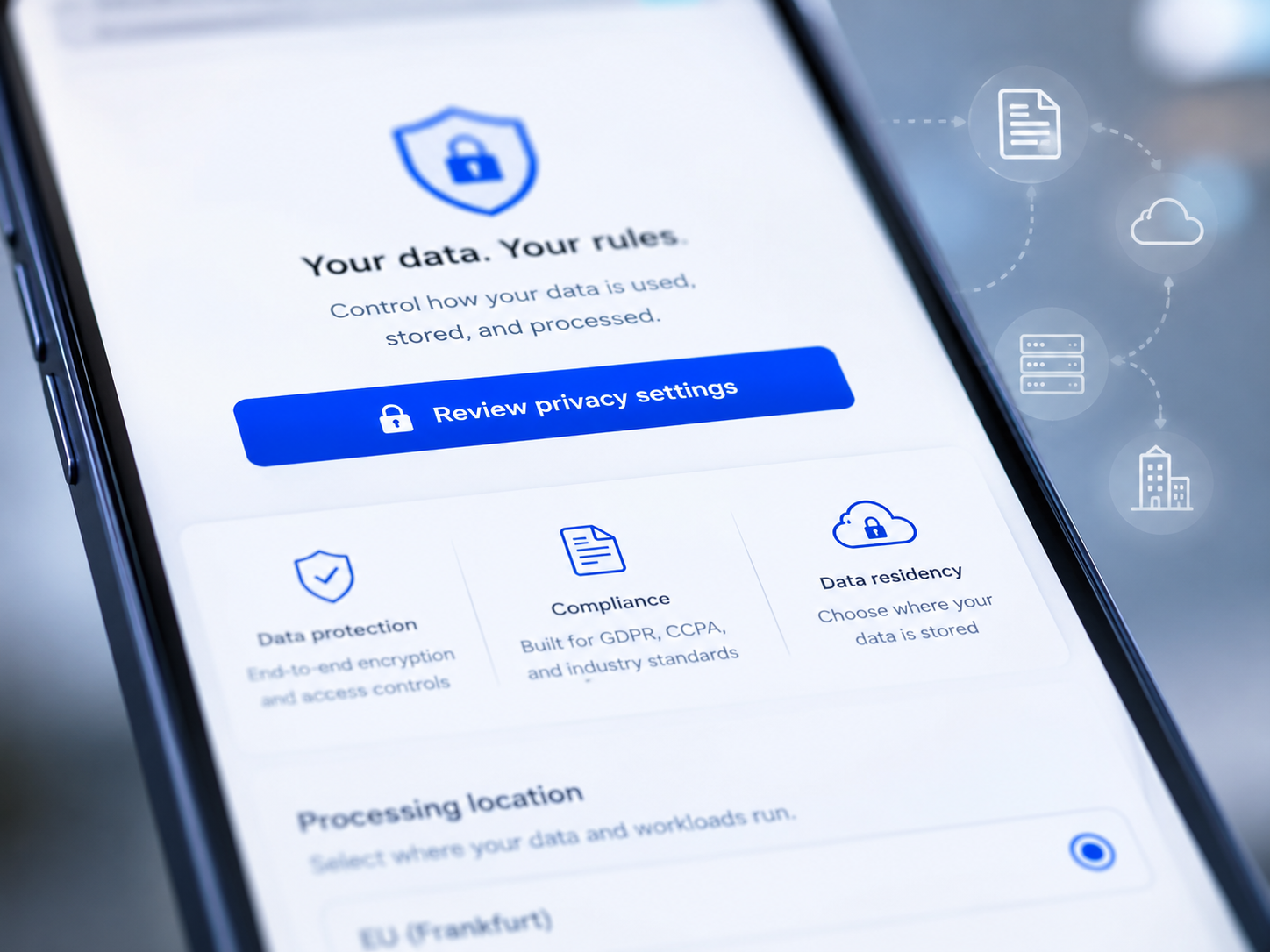
To address these concerns, IT providers are increasingly offering hybrid cloud solutions. Instead of replacing existing infrastructure entirely, hybrid cloud combines a company’s current on-premises systems with private and public cloud environments.
The approach allows retailers to decide which workloads belong where. Sensitive information, such as customer data and payment records, can be stored in controlled environments, while systems that require more flexibility, including analytics platforms, customer-facing applications, and seasonal computing capacity, can utilize public cloud resources.
For retailers, this creates a more practical way to modernize. Businesses can retain the systems essential to daily operations while gradually adopting cloud capabilities that enhance scalability, connectivity, and efficiency.
However, a hybrid cloud also requires careful planning. Integrating legacy systems with modern cloud platforms is not simply a technical migration task. It requires reliable data synchronization, consistent security controls, and an architecture that allows different environments to work together effectively.
The future of cloud adoption for German retailers is unlikely to be a complete shift away from existing infrastructure. Instead, it will be about creating the right balance between the control businesses need today and the flexibility they need to compete tomorrow.
Cloud computing is often viewed as a technology investment, but its long-term value has more to do with what it enables than with the cloud itself. In retail, today's competitive advantages rarely last. Customer expectations evolve, new channels emerge, and market conditions can change faster than most businesses can plan for.
The question is no longer whether cloud computing can improve retail operations. In many ways, it already has. The more interesting question is what retailers will build on top of it.
As AI, automation, connected devices, and new customer experiences continue to evolve, cloud computing will become less noticeable as a technology and more essential as the foundation that makes those innovations possible.
%20copy.webp)
%20(1).png)

.png)
.jpg)